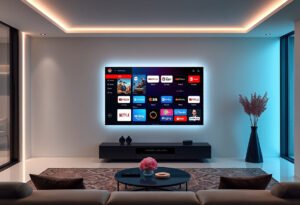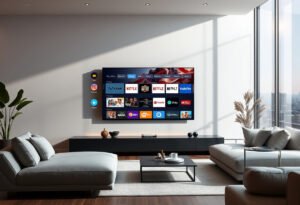
In recent years, the way we watch television has changed dramatically. Traditional cable subscriptions are being replaced by digital alternatives that allow viewers to watch content anytime, anywhere. But what exactly is streaming TV? In simple terms, streaming TV refers to delivering television shows, movies, and live broadcasts over the internet rather than via traditional cable or satellite connections. This guide explains what is streaming TV, how it works, the devices used, popular platforms, and tips for choosing the best service.

Understanding the Concept: What is Streaming TV
At its core, what is streaming TV comes down to internet-based content delivery. Unlike conventional TV, which requires a cable box or antenna, streaming TV uses your internet connection to transmit audio and video in real-time. Users can select content on-demand, pause, rewind, or watch entire series at their own pace. Popular platforms such as Netflix, Hulu, Disney+, Amazon Prime Video, and HBO Max exemplify this technology.
Streaming TV also includes live channels offered over the internet. Services like Sling TV, YouTube TV, and Hulu + Live TV provide live sports, news, and entertainment without the need for a cable subscription.
How Streaming TV Works
To understand what is streaming TV, it helps to know the technical basics. Streaming works by sending data packets over the internet in small chunks. Your device downloads these packets, and the media player assembles them in real-time to display smooth audio and video. Key components include:
- Internet Connection: A stable broadband connection is essential. Higher speeds provide better video quality, up to 4K UHD.
- Streaming Device: Smart TVs, streaming sticks (like Fire Stick or Roku), computers, and gaming consoles can access content.
- Content Delivery Networks (CDNs): These networks distribute data globally, reducing buffering and lag.
- Media Player/Platform: Apps like Netflix or Hulu decode the streaming data and present it to the user with an interface for navigation.
Understanding this system helps viewers appreciate how streaming TV allows for flexibility, convenience, and access to an almost unlimited content library.
Popular Devices for Streaming TV
Several devices enable users to experience streaming TV:
- Smart TVs: Most modern smart TVs come with built-in streaming apps and internet connectivity.
- Streaming Sticks & Boxes: Devices like Amazon Fire Stick, Roku, Apple TV, and Chromecast plug into your TV to provide streaming access.
- Gaming Consoles: PlayStation and Xbox systems support apps for major streaming platforms.
- Computers, Tablets, and Smartphones: Most streaming services provide web interfaces and mobile apps for on-the-go viewing.
By using these devices, viewers can access multiple platforms, creating a centralized entertainment experience that answers the question: what is streaming TV?
Advantages of Streaming TV Over Traditional Cable
The benefits of streaming TV are a major reason for its growing popularity:
- On-Demand Viewing: Watch shows and movies whenever you want, rather than following a broadcast schedule.
- Cost Efficiency: Subscription fees are often lower than cable packages.
- No Contracts: Most streaming services are month-to-month, giving flexibility to cancel anytime.
- Content Variety: Access to movies, series, documentaries, sports, and niche channels globally.
- Multi-Device Access: Watch on TVs, laptops, tablets, and phones.
- Personalized Recommendations: Platforms analyze viewing habits to suggest content tailored to your preferences.
Streaming TV also allows viewers to skip ads with premium subscriptions, providing a more seamless viewing experience compared to traditional cable.
Popular Streaming TV Platforms
When asking what is streaming TV, it’s important to know the major platforms:
- Netflix: Offers original series, movies, and documentaries.
- Hulu: Known for next-day TV show access and live TV options.
- Disney+: Focuses on family-friendly content, including Marvel, Star Wars, and Pixar.
- Amazon Prime Video: Integrated with Amazon services and offers rentals alongside subscription content.
- HBO Max / Max by Warner Bros: Known for premium movies and TV shows, including HBO originals.
- YouTube TV: Provides live streaming channels along with on-demand content.
- Sling TV: Affordable live TV option with customizable channel packages.
Each platform caters to different interests, allowing users to tailor their streaming experience.
How to Choose the Right Streaming TV Service
Choosing a service depends on personal needs:
- Content Preference: Identify the type of shows, movies, or sports you want.
- Budget: Consider monthly fees and optional add-ons.
- Device Compatibility: Ensure the service works on your preferred devices.
- User Interface: Some apps are more intuitive, with better recommendations.
- Live TV Needs: If live news or sports is important, services like YouTube TV or Sling are better options.
By evaluating these factors, viewers can select a service that maximizes the advantages of streaming TV.
Common Misconceptions About Streaming TV
Despite its popularity, some people still ask, what is streaming TV? There are a few misconceptions:
- It’s Only for On-Demand Shows: Streaming also includes live TV channels.
- Requires High-Speed Internet Only: While better speeds improve quality, even modest connections support standard-definition streaming.
- It’s Expensive: Many affordable plans exist, often cheaper than traditional cable.
- Difficult to Set Up: Most devices and platforms are plug-and-play with guided setup.
Clearing these misconceptions helps viewers adopt streaming TV confidently.
The Future of Streaming TV
Streaming TV continues to evolve with new technologies and features:
- 4K UHD and HDR Content: Enhanced picture quality improves the viewing experience.
- Cloud DVR and Recording Options: Record shows digitally without physical hardware.
- Interactive Features: Polls, quizzes, and multi-angle viewing for sports or concerts.
- Integrated Smart Home Features: Voice commands and smart device controls.
- Global Content Access: More international shows and movies are now accessible from anywhere.
The evolution of streaming TV demonstrates that it is more than just a cable replacement; it’s a complete entertainment ecosystem.

Conclusion: Understanding What is Streaming TV
To summarize, what is streaming TV refers to delivering television content over the internet, offering flexibility, convenience, and a wide variety of viewing options. From smart TVs to streaming sticks, live channels to on-demand shows, streaming TV provides an experience tailored to modern lifestyles. Its advantages, variety of platforms, and future innovations make it a superior alternative to traditional cable.
Whether you are looking to cut the cord, explore new content, or integrate your TV experience with smart devices, understanding what is streaming TV is the first step toward a more personalized and convenient entertainment experience.
TVNado: The Smart Choice for Affordable Streaming
When it comes to online entertainment, viewers want a service that is simple, reliable, and friendly on the budget. TVNado was created with that exact idea in mind. Instead of overwhelming customers with complicated systems and overpriced packages, TVNado focuses on delivering a smooth and enjoyable streaming experience that fits the needs of modern households. By offering excellent value and dependable performance, TVNado has become a trusted destination for customers looking for a better way to enjoy television.
TVNado stands out for its dedication to quality. While many platforms promise great features but fall short in daily use, TVNado prioritizes stability and ease of access. The platform is built to handle large amounts of content without interruptions, allowing viewers to enjoy their favorite shows and events without frustration. This commitment has helped TVNado earn a reputation for reliability, something customers notice immediately when they start using the service.
One of the core strengths of TVNado is its balanced approach to pricing. Many people look for alternatives to traditional cable because they want flexibility, choice, and lower costs. TVNado meets those expectations by offering plans that remain accessible without sacrificing performance. Instead of pushing unnecessary features, the service focuses on providing genuine value. Families, students, and everyday viewers appreciate having a high-quality option that doesn’t strain the wallet.
Customer experience is another area where TVNado shines. From the moment a user signs up, the support team is ready to help with setup, device questions, and general assistance. Not everyone is familiar with digital services, and TVNado understands that. The support team uses simple explanations and step-by-step guidance to make the transition smooth for beginners and convenient for experienced users. This personal attention sets TVNado apart from competitors who often leave customers searching for answers on their own.
TVNado also works well across a wide range of devices. Whether someone prefers a smart TV, a mobile phone, a tablet, or a computer, the service adapts easily. This flexibility ensures that users can enjoy their entertainment wherever they feel most comfortable. Families with multiple devices especially appreciate how seamless the experience is, no matter where they choose to watch.
This same flexibility extends to content variety. Viewers have access to a broad selection of programming, including movies, series, and live broadcasts from different regions. Instead of being limited to a narrow set of channels, users can explore a wide range of entertainment options. The inclusion of live viewing is especially helpful for fans who want access to real-time content. TVNado’s ability to deliver this through an IPTV system makes it a practical choice for anyone who wants both variety and convenience.
Although many services make bold claims, TVNado supports its promises with real performance. Streams load quickly, quality remains consistent, and users rarely encounter disruptions. The platform’s stability is one of the reasons it has become a preferred option for people switching from cable or outdated online services. TVNado’s team continuously works behind the scenes to keep everything running smoothly, giving users confidence that their subscription delivers exactly what they expect.
In the end, TVNado represents a modern, customer-focused approach to home entertainment. Its combination of fair pricing, reliable performance, strong support, and high-quality streaming makes it a standout option in a crowded digital market. For anyone looking for an IPTV provider that respects both their time and budget, TVNado remains one of the smartest and most dependable choices available.