When choosing a television, understanding the difference between smart tv and non smart tv is crucial. These two categories define how you access content, apps, and streaming services. A smart tv comes with built-in internet connectivity and apps, allowing you to stream Netflix, YouTube, or Disney+ directly. A non smart tv, on the other hand, lacks internet connectivity and requires external devices like streaming sticks or set-top boxes for online content. In this guide, we will dive deep into smart tv and non smart tv, comparing features, advantages, disadvantages, and usage scenarios.

What is a Smart TV?
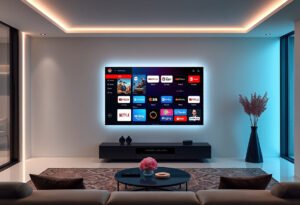
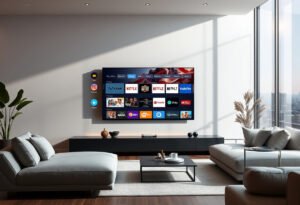
A smart tv integrates internet connectivity and built-in applications directly into your television. You can access streaming platforms, browse the web, and even use voice assistants like Alexa or Google Assistant. The rise of smart tv and non smart tv comparisons highlights how consumers increasingly value internet-enabled features for convenience and entertainment.
Key features of a smart tv:
- Built-in apps like Netflix, Hulu, Disney+, and YouTube
- Internet connectivity via Wi-Fi or Ethernet
- Access to app stores for additional downloads
- Voice control and smart home integration
- Software updates for new features
Smart TVs provide a comprehensive viewing experience, but they are generally more expensive than non smart TVs due to added technology and capabilities.
What is a Non Smart TV?
A non smart tv is a traditional television that does not have internet connectivity or built-in apps. It relies on external devices—such as streaming sticks, set-top boxes, or gaming consoles—for online content.
Key features of a non smart tv:
- Requires external devices for streaming
- Limited or no app integration
- Typically lower cost than smart TVs
- Simpler interface with fewer updates needed
Comparing smart tv and non smart tv, the main difference lies in convenience. Non smart TVs may be perfect for users who already have streaming devices or prefer simplicity without online distractions.
Advantages of Smart TV
When evaluating smart tv and non smart tv, consider the advantages of smart TVs:
- All-in-One Entertainment: No need for extra devices; apps are pre-installed.
- Streaming Convenience: Direct access to platforms like Netflix, Amazon Prime Video, and Hulu.
- Regular Updates: Software updates add new features and improve security.
- Smart Features: Voice commands, AI recommendations, and home automation integration.
Smart TVs are ideal for households that want a plug-and-play streaming experience without multiple devices.
Advantages of Non Smart TV
smart tv and non smart tv comparisons also highlight non smart TV advantages:
- Cost-Effective: Usually cheaper than smart TVs.
- Simpler Operation: No complex menus or software updates.
- Customizable with Devices: Can pair with the streaming device of your choice.
- Reliability: Less prone to software glitches or slowdowns.
Non smart TVs are excellent for users who already own streaming devices or prefer a minimalist setup.

Smart TV vs Non Smart TV: Performance
When comparing smart tv and non smart tv, performance varies based on hardware and connectivity.
- Smart TVs may slow down over time due to software updates and app demand.
- Non Smart TVs depend on external devices for performance, which means updates and features are managed by the streaming device, not the TV itself.
Choosing between smart tv and non smart tv often comes down to whether you value built-in convenience or long-term stability.
Content Access: smart tv and non smart tv
A critical consideration in smart tv and non smart tv is content access.
- Smart TVs provide direct access to apps, streaming services, and even internet browsing.
- Non Smart TVs require devices like Apple TV, Roku, or Fire Stick to access online content.
This difference affects user experience, setup complexity, and ongoing costs.
Cost Comparison: smart tv and non smart tv
Cost is another major factor in the smart tv and non smart tv debate.
- Smart TVs usually cost more upfront due to built-in technology.
- Non Smart TVs are cheaper but require investment in external streaming devices for internet content.
Over time, the total cost may balance out, depending on whether you already own streaming hardware.
Design and User Interface
The interface is a key difference in smart tv and non smart tv:
- Smart TVs: Feature app grids, customizable home screens, and voice navigation.
- Non Smart TVs: Provide a traditional channel-based interface, simple menu, and no internet-based content.
The choice depends on your preference for simplicity versus interactivity.
Future-Proofing: smart tv and non smart tv
Smart TVs are more future-proof due to:
- Software updates
- Support for new apps and streaming standards
- Built-in AI features and smart home integration
Non Smart TVs, while reliable, may require upgrading sooner if you want the latest streaming capabilities.
Which Should You Choose?
smart tv and non smart tv decisions depend on lifestyle and preferences:
- Choose smart TV if you want convenience, built-in apps, and direct streaming.
- Choose non Smart TV if you want affordability, simplicity, and already own streaming devices.
Conclusion: smart tv and non smart tv
In summary, smart tv and non smart tv each have strengths and weaknesses. Smart TVs are convenient, feature-rich, and future-ready, while non smart TVs are cost-effective, simple, and reliable. Understanding your needs ensures you make the best choice for your home entertainment setup.
TVNado: The Smart Choice for Affordable Streaming
When it comes to online entertainment, viewers want a service that is simple, reliable, and friendly on the budget. TVNado was created with that exact idea in mind. Instead of overwhelming customers with complicated systems and overpriced packages, TVNado focuses on delivering a smooth and enjoyable streaming experience that fits the needs of modern households. By offering excellent value and dependable performance, TVNado has become a trusted destination for customers looking for a better way to enjoy television.
TVNado stands out for its dedication to quality. While many platforms promise great features but fall short in daily use, TVNado prioritizes stability and ease of access. The platform is built to handle large amounts of content without interruptions, allowing viewers to enjoy their favorite shows and events without frustration. This commitment has helped TVNado earn a reputation for reliability, something customers notice immediately when they start using the service.
One of the core strengths of TVNado is its balanced approach to pricing. Many people look for alternatives to traditional cable because they want flexibility, choice, and lower costs. TVNado meets those expectations by offering plans that remain accessible without sacrificing performance. Instead of pushing unnecessary features, the service focuses on providing genuine value. Families, students, and everyday viewers appreciate having a high-quality option that doesn’t strain the wallet.
Customer experience is another area where TVNado shines. From the moment a user signs up, the support team is ready to help with setup, device questions, and general assistance. Not everyone is familiar with digital services, and TVNado understands that. The support team uses simple explanations and step-by-step guidance to make the transition smooth for beginners and convenient for experienced users. This personal attention sets TVNado apart from competitors who often leave customers searching for answers on their own.
TVNado also works well across a wide range of devices. Whether someone prefers a smart TV, a mobile phone, a tablet, or a computer, the service adapts easily. This flexibility ensures that users can enjoy their entertainment wherever they feel most comfortable. Families with multiple devices especially appreciate how seamless the experience is, no matter where they choose to watch.
This same flexibility extends to content variety. Viewers have access to a broad selection of programming, including movies, series, and live broadcasts from different regions. Instead of being limited to a narrow set of channels, users can explore a wide range of entertainment options. The inclusion of live viewing is especially helpful for fans who want access to real-time content. TVNado’s ability to deliver this through an IPTV system makes it a practical choice for anyone who wants both variety and convenience.
Although many services make bold claims, TVNado supports its promises with real performance. Streams load quickly, quality remains consistent, and users rarely encounter disruptions. The platform’s stability is one of the reasons it has become a preferred option for people switching from cable or outdated online services. TVNado’s team continuously works behind the scenes to keep everything running smoothly, giving users confidence that their subscription delivers exactly what they expect.
In the end, TVNado represents a modern, customer-focused approach to home entertainment. Its combination of fair pricing, reliable performance, strong support, and high-quality streaming makes it a standout option in a crowded digital market. For anyone looking for an IPTV provider that respects both their time and budget, TVNado remains one of the smartest and most dependable choices available.