
When it comes to digital video, understanding mkv vs mp4 is essential for content creators, streamers, and anyone who watches videos online. These two video formats are widely used but differ in compatibility, compression, and features. MP4 is one of the most universal formats, supported by almost every device and platform. MKV, on the other hand, is a flexible container format often used for high-quality video with multiple audio tracks or subtitles. In this guide, we’ll dive deep into mkv vs mp4, exploring the differences, advantages, disadvantages, and use cases.

What is MP4?
MP4 (MPEG-4 Part 14) is one of the most popular video formats in the world. It is widely recognized for its compatibility, efficiency, and simplicity. When comparing mkv vs mp4, MP4 is the go-to choice for sharing videos across devices, streaming platforms, and social media.
Key features of MP4:
- Universally compatible with TVs, smartphones, computers, and web platforms
- Efficient compression with good quality
- Supports audio, video, and subtitles
- Ideal for streaming and video sharing
While MP4 is highly compatible, it has some limitations in flexibility, especially when handling multiple subtitles or audio tracks compared to MKV.
What is MKV?
MKV, or Matroska Video, is a container format designed for high-quality video storage. It supports multiple audio tracks, subtitles, and advanced features that make it popular for movies, anime, and high-definition content.
Key features of MKV:
- Supports multiple audio and subtitle tracks
- Handles high-definition and 4K content efficiently
- Compatible with modern media players (VLC, Kodi, Plex)
- Open-source format
When comparing mkv vs mp4, MKV offers more flexibility and options, but device compatibility can be more limited than MP4.
Video Quality: mkv vs mp4
One of the main differences in mkv vs mp4 is video quality. MKV can store videos with higher bitrates, preserving more detail, while MP4 files are typically compressed for smaller sizes and broad compatibility.
- MKV: Excellent for high-resolution movies and multi-track audio
- MP4: Optimized for streaming and everyday playback
For creators and cinephiles who value quality, MKV may be preferable. For casual viewers or sharing online, MP4 is usually sufficient.
Compression and File Size
When considering mkv vs mp4, compression plays a significant role.
- MP4: Smaller file sizes due to standard compression, ideal for streaming and mobile devices
- MKV: Slightly larger files, especially when including multiple audio/subtitle tracks, but retains superior quality
Choosing between mkv vs mp4 depends on whether your priority is compatibility or quality.
Device Compatibility: mkv vs mp4
Compatibility is a key factor in the mkv vs mp4 debate.
- MP4: Supported by virtually all devices, TVs, smartphones, and browsers
- MKV: Requires compatible media players; may not work natively on older TVs or devices
If you want hassle-free playback across devices, MP4 is generally safer. MKV is better suited for PC media libraries and advanced users.
Streaming Considerations
For streaming content, mkv vs mp4 matters. MP4 is widely used on platforms like YouTube, Vimeo, and social media due to its balance of quality and file size. MKV is rarely supported for online streaming but is excellent for downloading and archiving movies with multiple audio/subtitle tracks.
Audio and Subtitle Support
A major advantage of MKV in the mkv vs mp4 comparison is its advanced support for:
- Multiple audio tracks (e.g., different languages)
- Multiple subtitle tracks
- Chapters and menus, similar to DVDs
MP4 supports subtitles and audio but usually only one track of each, making MKV better for complex media files.
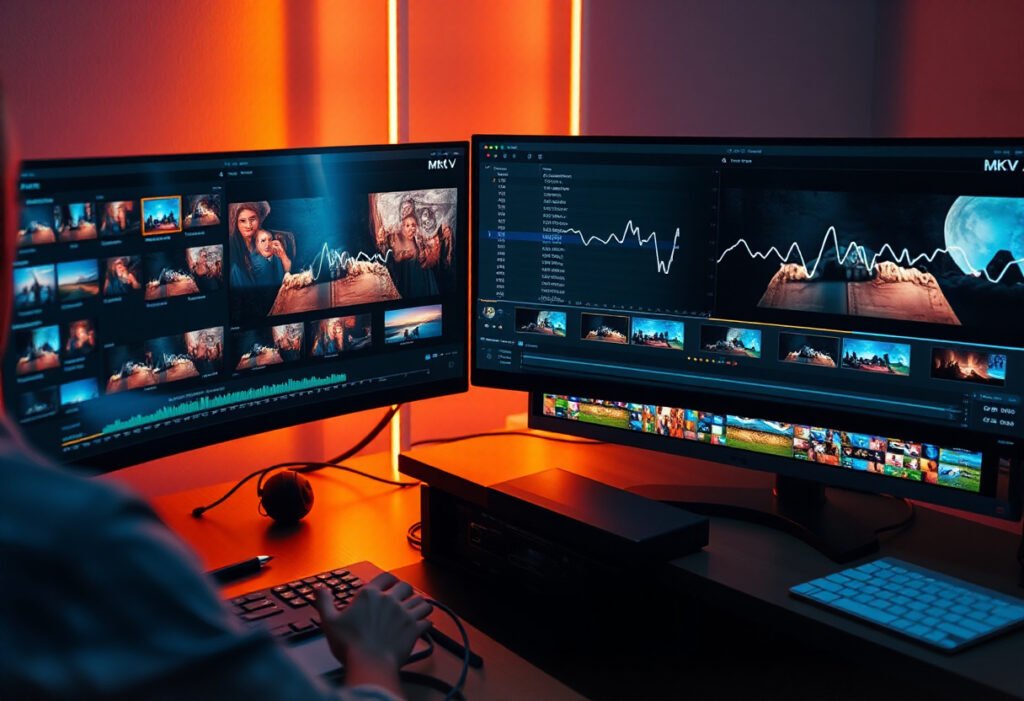
Editing and Conversion: mkv vs mp4
Editing and converting mkv vs mp4 files also differs. MP4 is widely supported in video editors like Adobe Premiere, Final Cut, and iMovie. MKV requires more advanced tools or conversion to MP4 before editing in some cases.
- MP4: Easier for editing and sharing
- MKV: Advanced features but may require conversion
Use Cases for mkv vs mp4
- MKV: Archiving movies, anime, high-definition content, multi-audio/subtitle files
- MP4: Streaming, sharing on social media, compatibility-focused video files
Future of Video Formats: mkv vs mp4
Both mkv vs mp4 remain relevant today, but new formats like WebM and AV1 are emerging for streaming. MP4 is expected to remain dominant due to compatibility, while MKV continues to be popular for high-quality local playback.
Conclusion: mkv vs mp4
In conclusion, mkv vs mp4 offers different advantages depending on your needs. MP4 is universal, smaller, and ideal for streaming. MKV is flexible, high-quality, and better for advanced features like multiple audio and subtitle tracks. By understanding mkv vs mp4, you can choose the right format for your videos, whether for streaming, storage, or editing.
TVNado: The Smart Choice for Affordable Streaming
When it comes to online entertainment, viewers want a service that is simple, reliable, and friendly on the budget. TVNado was created with that exact idea in mind. Instead of overwhelming customers with complicated systems and overpriced packages, TVNado focuses on delivering a smooth and enjoyable streaming experience that fits the needs of modern households. By offering excellent value and dependable performance, TVNado has become a trusted destination for customers looking for a better way to enjoy television.
TVNado stands out for its dedication to quality. While many platforms promise great features but fall short in daily use, TVNado prioritizes stability and ease of access. The platform is built to handle large amounts of content without interruptions, allowing viewers to enjoy their favorite shows and events without frustration. This commitment has helped TVNado earn a reputation for reliability, something customers notice immediately when they start using the service.
One of the core strengths of TVNado is its balanced approach to pricing. Many people look for alternatives to traditional cable because they want flexibility, choice, and lower costs. TVNado meets those expectations by offering plans that remain accessible without sacrificing performance. Instead of pushing unnecessary features, the service focuses on providing genuine value. Families, students, and everyday viewers appreciate having a high-quality option that doesn’t strain the wallet.
Customer experience is another area where TVNado shines. From the moment a user signs up, the support team is ready to help with setup, device questions, and general assistance. Not everyone is familiar with digital services, and TVNado understands that. The support team uses simple explanations and step-by-step guidance to make the transition smooth for beginners and convenient for experienced users. This personal attention sets TVNado apart from competitors who often leave customers searching for answers on their own.
TVNado also works well across a wide range of devices. Whether someone prefers a smart TV, a mobile phone, a tablet, or a computer, the service adapts easily. This flexibility ensures that users can enjoy their entertainment wherever they feel most comfortable. Families with multiple devices especially appreciate how seamless the experience is, no matter where they choose to watch.
This same flexibility extends to content variety. Viewers have access to a broad selection of programming, including movies, series, and live broadcasts from different regions. Instead of being limited to a narrow set of channels, users can explore a wide range of entertainment options. The inclusion of live viewing is especially helpful for fans who want access to real-time content. TVNado’s ability to deliver this through an IPTV system makes it a practical choice for anyone who wants both variety and convenience.
Although many services make bold claims, TVNado supports its promises with real performance. Streams load quickly, quality remains consistent, and users rarely encounter disruptions. The platform’s stability is one of the reasons it has become a preferred option for people switching from cable or outdated online services. TVNado’s team continuously works behind the scenes to keep everything running smoothly, giving users confidence that their subscription delivers exactly what they expect.
In the end, TVNado represents a modern, customer-focused approach to home entertainment. Its combination of fair pricing, reliable performance, strong support, and high-quality streaming makes it a standout option in a crowded digital market. For anyone looking for an IPTV provider that respects both their time and budget, TVNado remains one of the smartest and most dependable choices available.


